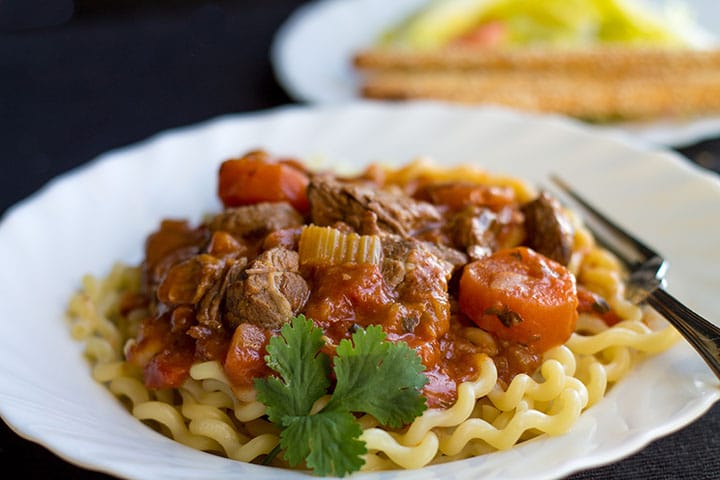
Melt-in-Your-Mouth Italian Lamb Stew on Pasta: A Comfort Classic
There are some dishes that transcend mere sustenance, becoming a warm embrace on a chilly evening, a taste of home, and a link to culinary heritage. Italian Lamb Stew on Pasta is precisely one such dish. Imagine succulent pieces of lamb, so tender they melt on your tongue, bathed in a rich, savory tomato-based gravy, lovingly slow-cooked with an abundance of aromatic vegetables. Ladled generously over a bed of al dente pasta, this hearty classic isn't just a meal; it's an experience, a journey back to the comforting kitchens of generations past. It’s the quintessential comfort food, embodying the soul of Italian cooking where simple, quality ingredients are transformed into something extraordinary through time and care.
The Heart of Italian Comfort: Why Lamb Stew on Pasta?
The tradition of slow-cooked meat sauces served over pasta runs deep in Italian culture, often epitomizing the leisurely "Sunday dinner" – a time for family, sharing, and savoring. This particular
italian lamb stew on pasta draws its inspiration from these very roots, reminiscent of a nonna's (grandmother's) kitchen where rich tomato sauces simmered all day, absorbing the nuanced flavors of various meats. Lamb, with its distinctive earthy taste, is an exceptional choice for such a stew. When subjected to low and slow cooking, even tougher, more economical cuts like lamb shoulder, shank, or leg become incredibly tender, yielding to the fork with little effort. This makes it a fantastic, budget-friendly option that doesn't compromise on flavor or luxury.
Beyond its delectable taste and tender texture, this Italian lamb stew is also a nutritional powerhouse. Packed with a medley of vibrant vegetables such as carrots, celery, onions, and often potatoes, it's a wholesome one-pot meal that provides essential nutrients with relatively little fat, making it a surprisingly healthy yet deeply satisfying dish. The slow cooking process allows the flavors to meld beautifully, creating a complex, deeply flavored gravy that clings perfectly to pasta, making every bite a delight. It’s this combination of rich flavor, melt-in-your-mouth texture, and hearty ingredients that solidifies its status as a true comfort classic.
Crafting Your Melt-in-Your-Mouth Italian Lamb Stew: A Step-by-Step Guide
Achieving that signature melt-in-your-mouth lamb and intensely flavored sauce requires a few crucial steps. While recipes might vary slightly, the core principles of building flavor and allowing time to work its magic remain constant. Here, we delve into the process, blending traditional techniques for an unforgettable
italian lamb stew on pasta. For those keen on a comprehensive, ingredient-focused approach, our article on
Healthy One-Pot Italian Lamb Stew for Pasta: Budget & Veg-Packed offers further insights into ingredient choices and healthy variations.
Choosing Your Lamb & Prepping for Perfection
The journey to an incredible lamb stew begins with the right cut of lamb. As mentioned, tougher cuts like lamb shoulder, leg, or shank are ideal for slow cooking as they break down beautifully, becoming incredibly tender. Opt for bone-in cuts if you can, as the bones will impart even more flavor to your stew. Before cooking, ensure your lamb pieces are well-dried. Patting them dry with paper towels is crucial for achieving a good sear.
The browning of the lamb is a non-negotiable step and arguably one of the most important for deep flavor. This process, known as the Maillard reaction, creates rich, complex savory notes that cannot be replicated otherwise. You can brown the lamb in a heavy-bottomed pot on the stovetop over medium-high heat, working in batches to avoid crowding the pan, which would steam the meat rather than sear it. Alternatively, for a hands-off approach that yields exceptional browning, you can roast the lamb pieces in a hot oven (around 425°F/220°C) until deeply colored on all sides. Whichever method you choose, ensure a golden-brown crust develops on all surfaces before setting the lamb aside.
Building the Flavor Base: Aromatics and Vegetables
Once the lamb is browned, the same pan (or baking dish if oven-roasting) holds the key to building your stew's flavor foundation. Sautéing onions until translucent, followed by garlic for a minute until fragrant, creates a sweet, aromatic base. Next, add your choice of hearty vegetables – carrots, celery, and even bell peppers or potatoes if you desire – and allow them to soften slightly, absorbing the residual flavors from the lamb browning.
A vital ingredient for a rich Italian stew is tomato paste. Adding it to the pan with the vegetables and cooking it for a minute or two helps to deepen its flavor and color, creating a more robust foundation for the sauce. Following this, a splash of red wine (such as a dry Chianti or Merlot) is traditionally added. Raise the heat to medium-high and cook until the wine reduces by half, scraping up any delicious browned bits stuck to the bottom of the pan – this is called deglazing and infuses the stew with incredible depth. For an in-depth comparison of cooking methods, exploring the nuances of slow-cooked versus oven-roasted techniques for perfect results, be sure to read our article on
Italian Lamb Stew: Slow Cooked vs. Oven Roasted for Perfect Pasta.
The Slow Simmer: Unlocking Tenderness and Richness
With the flavor base established, return the browned lamb to the pot. Stir in high-quality crushed or diced tomatoes and enough beef or vegetable stock to generously cover the lamb and vegetables. Now is the time to add your herbs – fresh parsley is essential, but you might also consider a sprig of fresh rosemary, thyme, or dried oregano for added complexity. Season generously with salt and freshly ground black pepper.
Cover the pot and reduce the heat to the lowest setting, allowing the stew to gently simmer. This is where the magic happens. Over the next 1.5 to 2.5 hours (or even longer, up to 3-4 hours, depending on the cut and desired tenderness), the lamb will slowly break down, becoming incredibly fork-tender, and the flavors will meld into a harmonious, rich gravy. Stir occasionally to ensure even cooking and prevent sticking. The sauce will naturally thicken as it simmers, transforming into a luxurious coating for your pasta.
The Perfect Pairing: Serving Your Lamb Stew on Pasta
The final act of this comfort classic is bringing together the velvety Italian lamb stew with its perfect companion: pasta. Choosing the right pasta shape is key – hearty, robust shapes with nooks and crannies are ideal for capturing the rich, thick sauce. Think rigatoni, pappardelle, fettuccine, tagliatelle, or even large shell pasta. Cook your chosen pasta in a separate pot of generously salted boiling water until just al dente.
Once cooked, drain the pasta and, for the most authentic experience, transfer it directly into the pot with the simmering lamb stew. Toss gently to coat every strand or piece of pasta with the glorious sauce. This allows the pasta to absorb some of the stew's flavor, creating a truly integrated dish. Serve immediately in warm shallow bowls, garnished generously with freshly chopped parsley and a grating of hard Italian cheese like Pecorino Romano or Parmigiano Reggiano. While pasta is the classic pairing, this versatile stew also shines alongside creamy mashed potatoes, soft polenta, or simply with crusty bread for soaking up every last drop of that incredible gravy.
Make-Ahead & Freezing Tips: Enjoying Your Stew Later
One of the many beauties of Italian Lamb Stew is that it often tastes even better the next day, once the flavors have had more time to deepen and meld. Properly stored in an airtight container, it will last for 3 to 4 days in the refrigerator, making it an excellent meal prep option for busy weeknights.
For longer storage, lamb stew freezes wonderfully. However, there's a crucial tip to remember: if you plan to freeze portions of your stew, skip adding any thickening agents (like cornstarch slurries or flour roux) until you reheat it. Thickening agents can cause vegetables, particularly potatoes, to break down too much and become mushy and unpleasant upon thawing and reheating. If your recipe inherently uses tomato paste or wine which provide natural thickening, that's generally fine. Just be mindful of external thickeners. When ready to enjoy, simply thaw in the refrigerator overnight and gently reheat on the stovetop, adding a splash of stock or water if needed to adjust consistency.
Conclusion
Italian Lamb Stew on Pasta is more than just a recipe; it's a celebration of flavor, tradition, and the comforting power of slow-cooked food. From the initial browning of the lamb to the patient simmer that unlocks its incredible tenderness, every step contributes to a dish that is deeply satisfying and profoundly delicious. Whether you're gathering family for a special Sunday meal or simply craving a hearty, soulful dinner, this melt-in-your-mouth classic promises to deliver warmth, comfort, and an authentic taste of Italian culinary heritage. Embrace the process, savor the aromas, and enjoy the rich rewards of this timeless favorite.