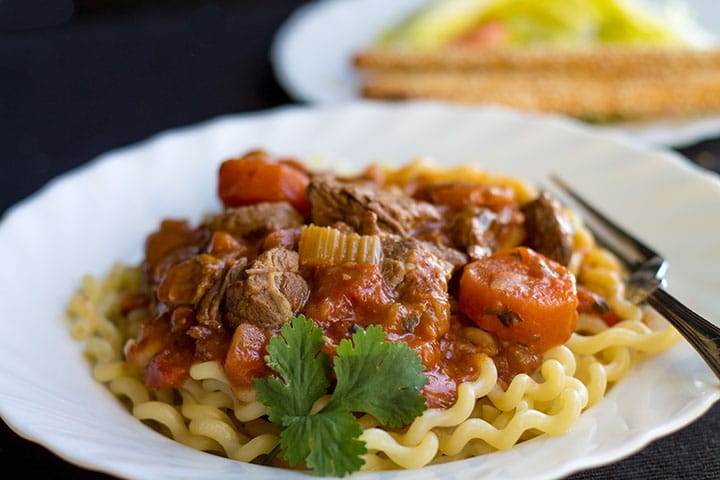
Italian Lamb Stew: Slow Cooked vs. Oven Roasted for Perfect Pasta
There are few dishes that evoke the heartwarming comfort and rich culinary heritage of Italy quite like a traditional lamb stew. This robust, deeply flavorful meal, especially when served on pasta, transforms humble ingredients into a celebratory feast. But when it comes to achieving that perfect, melt-in-your-mouth tenderness and an unforgettably rich sauce, home cooks often face a delicious dilemma: to slow cook or to oven roast? Both methods yield incredible results for an authentic italian lamb stew on pasta, yet they offer distinct flavor profiles, textures, and cooking experiences. Let's delve into the nuances of each to help you master your next Italian lamb stew masterpiece.
The Art of Slow-Cooked Italian Lamb Stew on Pasta
Imagine a stew where the lamb is so tender it practically dissolves on your tongue, bathed in a thick, luxurious gravy that clings to every strand of pasta. This is the hallmark of a slow-cooked Italian lamb stew. This method is a testament to the power of time and low heat, transforming even the most economical cuts of lamb into something extraordinary. Often inspired by generations of Italian grandmothers, who would let their tomato sauces simmer all day with various meats, this approach guarantees depth and richness.
The Magic of Time and Low Heat
Slow cooking, whether on a stovetop at the lowest simmer or in a dedicated slow cooker, works wonders for tougher cuts like lamb shoulder, neck, or shanks. The prolonged, gentle heat slowly breaks down the connective tissues and collagen in the meat, rendering it incredibly tender and moist. The process begins with browning the lamb – a crucial step for building a foundation of flavor through the Maillard reaction. Following this, aromatic vegetables like onions, garlic, carrots, and celery are sautéed, often coated in tomato paste to intensify its sweetness and depth when cooked off. A splash of red wine, reduced to concentrate its essence, deglazes the pan, capturing all those flavorful browned bits. Finally, crushed tomatoes and stock create the liquid base, seasoned with fresh herbs like parsley, salt, and pepper.
The beauty of this method lies in its mostly hands-off nature once everything is in the pot. A gentle simmer for 1.5 to 2 hours, sometimes even longer for larger cuts, allows all the flavors to meld and deepen. The result is a healthy one-pot Italian lamb stew for pasta that's budget-friendly and packed with vegetables, requiring minimal fat yet delivering maximum flavor.
Serving Suggestions and Pasta Pairings
The thick, rich gravy of a slow-cooked Italian lamb stew demands a pasta shape that can truly embrace and hold onto it. Wide, flat noodles like pappardelle or tagliatelle are excellent choices, as their broad surface area provides ample space for the sauce to cling. Hearty, short shapes like rigatoni, orecchiette, or large shells also work beautifully, trapping bits of lamb and sauce within their crevices. While pasta is the classic pairing, this versatile stew also shines alongside creamy mashed potatoes, soft polenta, or simply with crusty garlic bread to soak up every last drop of that glorious gravy.
Embracing the Oven: Roasted Italian Lamb Stew with Pasta
For those who appreciate distinct textures and a slightly more concentrated, bold flavor profile, the oven-roasted method offers a compelling alternative. This technique often involves roasting components separately or sequentially, allowing for intense caramelization and deeper development of individual flavors before they merge into a harmonious stew.
Achieving Depth and Texture Through Roasting
The oven-roasted approach typically begins with roasting the lamb chunks in a hot oven until beautifully browned on all sides. This initial high heat creates a delectable crust, locking in juices and developing complex roasted notes that differ from pan-browning alone. While the lamb is browning, robust root vegetables such as potatoes, carrots, and onions are often tossed with olive oil, salt, and pepper, then added to the pan to roast alongside the meat. This sequential roasting ensures that each ingredient gets its moment to caramelize and tenderize to perfection.
Once the lamb and vegetables have developed their roasted character, a vibrant tomato sauce, often prepared by pulsing peeled plum tomatoes with olive oil, basil, salt, and a touch of sugar, is poured over the pan's contents. The stew then returns to the oven, where it continues to cook at a slightly lower temperature. The enclosed heat of the oven, combined with periodic turning of the meat and vegetables, ensures everything is evenly coated in the rich, bubbling sauce. The sauce itself thickens and intensifies as it bakes, with the oil starting to separate as a tell-tale sign of readiness, indicating that the flavors have fully concentrated and the meat and vegetables are wonderfully tender.
Ideal Pasta Pairings for a Robust Sauce
An oven-roasted italian lamb stew on pasta often results in a sauce that is slightly thicker, with more distinct pieces of meat and vegetables, and a bolder, more concentrated flavor. For this kind of robust sauce, sturdy pasta shapes are paramount. Rigatoni and paccheri, with their wide, ridged tubes, are excellent for scooping up substantial chunks of lamb and vegetable. Penne Rigate or even a thick spaghetti can also stand up to the sauce's intensity, ensuring a satisfying bite with every forkful.
Slow Cooked vs. Oven Roasted: A Head-to-Head Comparison
Choosing between slow-cooked and oven-roasted methods for your italian lamb stew on pasta ultimately comes down to personal preference and the desired outcome. Both are fantastic, but they excel in different areas.
Flavor Profile and Texture Differences
- Slow-Cooked Stew: Tends to have a more uniformly tender, fall-apart texture in the lamb. The flavors are deeply integrated, creating a homogenous, velvety sauce that is incredibly rich and comforting. Vegetables break down more, becoming part of the sauce.
- Oven-Roasted Stew: Often features lamb with slightly more textural variation, sometimes retaining a hint of chewiness or a crispy edge from the initial roast. The flavors are more distinct and concentrated, with roasted notes shining through. Vegetables maintain more of their individual shape and character, offering a satisfying bite alongside the meat.
Time, Effort, and Ingredient Considerations
- Active Time: Slow cooking usually involves an initial burst of active cooking (browning, sautéing) followed by a long, mostly unattended simmer. Oven roasting might require a bit more active attention during the initial roasting phases (turning meat and vegetables) but also offers periods of hands-off cooking.
- Cuts of Lamb: Both methods work well with collagen-rich cuts like lamb shoulder or neck. Slow cooking is particularly forgiving for these cuts, guaranteeing tenderness. Oven roasting can also handle them beautifully, sometimes resulting in a slightly firmer but still tender texture.
- Sauce Consistency: Slow-cooked stews typically yield a thicker, often naturally thickened gravy from the slow reduction. Oven-roasted stews can also be quite thick, with the sauce concentrating beautifully in the oven.
Essential Tips for Your Italian Lamb Stew Masterpiece
No matter which method you choose, a few universal tips will elevate your italian lamb stew on pasta from good to unforgettable.
- The Power of Browning: Don't skip or rush this step. Browning the lamb creates the foundational flavor base (Maillard reaction) that makes all the difference. Do it in batches to avoid crowding the pan, which would steam the meat instead of searing it.
- Deglaze for Flavor: After browning the lamb and sautéing the aromatics, deglaze the pan with wine or stock. Scrape up all those delicious browned bits stuck to the bottom – they are packed with flavor!
- Cook the Tomato Paste: When using tomato paste, cook it for a minute or two after adding it to the pan before introducing liquids. This step toasts the paste, deepening its flavor and reducing its raw acidity.
- Taste and Adjust: Seasoning is a journey, not a destination. Taste your stew at various stages and adjust salt, pepper, and herbs as needed. A pinch of sugar can balance the acidity of tomatoes if required.
- Make-Ahead and Freezing Wisdom: Italian lamb stew is fantastic for meal prepping. It actually tastes even better the next day as the flavors continue to meld. If you plan to freeze your stew, a crucial tip is to skip any thickening agents (like tomato paste or flour/cornstarch if you were using them) until you reheat it. Thickening agents can cause vegetables to break down and become mushy upon thawing and reheating. Properly stored, it lasts 3-4 days in the refrigerator and several months in the freezer.
- Pasta Perfection: Always cook your pasta al dente. It will continue to cook slightly when tossed with the hot stew.
- Beyond Pasta: While pasta is king, remember the versatility of this dish. Serve it with creamy polenta, fluffy mashed potatoes, or simply a robust, crusty bread to soak up every drop of that rich, savory sauce. This truly is a melt-in-your-mouth Italian lamb stew on pasta: a comfort classic.
Conclusion
Whether you choose the gentle, integrating warmth of slow cooking or the bold, concentrated flavors of oven roasting, an italian lamb stew on pasta promises a meal of profound satisfaction. Each method brings its own unique charm to the table, transforming humble cuts of lamb and garden vegetables into a rich, aromatic, and deeply comforting dish that speaks to the soul of Italian cuisine. Experiment with both techniques, savor the subtle differences, and discover your own favorite path to lamb stew perfection.
